Platform fit
Define the bike category, target market, rider and cargo load, route profile, grade, speed strategy, wheel size, packaging limits and service expectations before comparing products.
Engineering and procurement teams need more than a torque figure and a price. Evaluate platform fit, interface ownership, validation evidence, sample control, production quality and the long-term service route as one system.
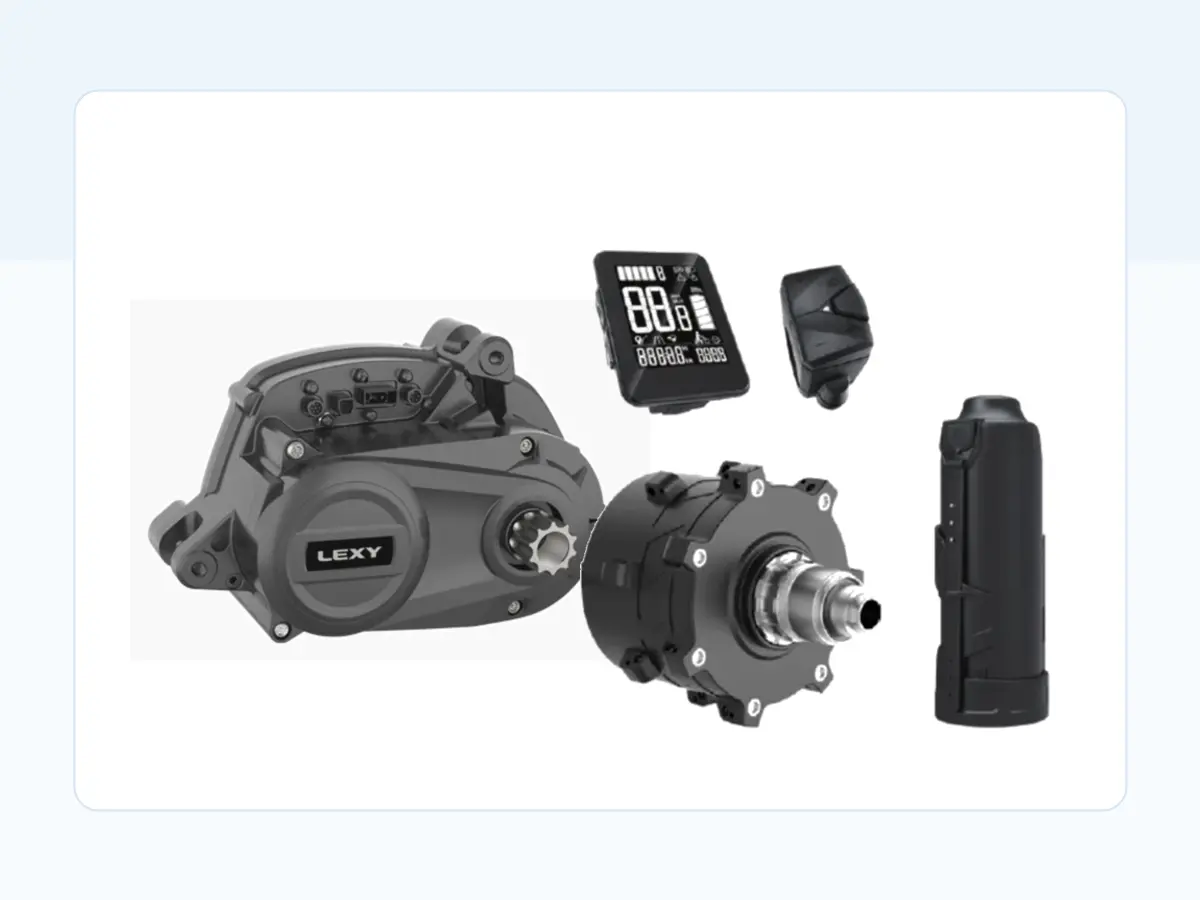
A suitable eBike motor supplier should match the target bike and duty cycle, define who owns every mechanical, electrical and software interface, provide reviewable validation evidence, control sample and production versions, and support quality, spare parts and engineering changes after launch. Compare the complete cooperation system, not only peak power, peak torque or unit price.
Use the same gates for motor-only and complete-system proposals. The depth of evidence should increase as the project moves from concept to sample validation and production RFQ.
Define the bike category, target market, rider and cargo load, route profile, grade, speed strategy, wheel size, packaging limits and service expectations before comparing products.
Choose mid-drive or hub-drive from the complete program. Include drivetrain or wheel design, mass distribution, ride feel, installation work, maintenance access and validation scope.
Assign responsibility for the motor, battery, controller, HMI, sensors, charger, wiring, connectors, communication, diagnostics, parameters and firmware versions.
Ask for test categories, conditions, configuration, date, applicable model and pass criteria. A performance number without its operating conditions is not sufficient evidence.
Record the sample bill of materials, parameter set, firmware, protocol, wiring and requested engineering files so that test results remain traceable to one configuration.
Review traceability, critical quality gates, hardware and firmware release control, engineering-change notification, incoming inspection and final acceptance responsibilities.
Clarify diagnostics, spare-parts planning, replacement boundaries, warranty ownership, issue escalation and how production changes will be communicated after launch.
Neither route is automatically better. The correct choice depends on the OEM team's existing component ownership and integration capability.
| Motor-only route | Can fit an OEM that already controls compatible battery, controller, HMI, sensing, wiring, communication, diagnostics and software responsibilities. |
|---|---|
| Complete-system route | Can reduce interface gaps when the supplier is expected to coordinate the motor with battery, controller, HMI, sensors, charger and wiring scope. |
| Main evaluation question | Who owns each interface, approves each version and closes issues when the complete bike does not perform as expected? |
| Recommended decision record | Maintain one responsibility matrix covering component owner, interface definition, validation owner, approved version and change-notification route. |
KingClean's OEM discussion can cover the A80 mid-drive route, the W200B hub-drive route and broader Lexy eBike system scope. Product availability, files and project conditions should be confirmed for the specific program.
Request only the information required for the current project gate, but keep every document and sample tied to a model and version.
The supplier decision should become more specific at each gate. Avoid treating a working prototype as a frozen production configuration.
| 1. Define | Freeze target market, bike category, architecture assumptions, loads, performance targets, component scope and launch timing. |
|---|---|
| 2. Review | Check packaging, interfaces, communication, ownership boundaries, files, sample availability and validation responsibilities. |
| 3. Sample | Build with one documented hardware, firmware, parameter and wiring configuration. |
| 4. Validate | Test representative riding, load, thermal, durability, environmental, electrical and service conditions defined by the project. |
| 5. Freeze | Close issues and approve the production bill of materials, parameters, firmware, interfaces and acceptance criteria. |
| 6. RFQ and launch | Confirm supply scope, volume assumptions, quality gates, change control, spare parts, warranty ownership and launch plan. |
Concise answers to the questions engineering and procurement teams commonly need to resolve before requesting samples.
Include the target bike category and market, architecture preference, voltage and torque targets, mechanical constraints, component scope, communication requirements, sample quantity, annual volume range and launch timing.
The answer depends on interface ownership. A motor-only route can suit teams that already control the battery, controller, HMI, sensors, wiring and software. A complete-system route can reduce interface gaps when one supplier is expected to coordinate those components.
Request a version-controlled datasheet, installation information, electrical and communication interface definitions, a validation matrix, sample configuration records and clear limitations. Detailed CAD, STEP or protocol files may require review or an NDA.
Use stage gates: freeze requirements, review interfaces, define the sample configuration, test representative use cases, close issues, freeze hardware and firmware versions, and then complete the production RFQ and change-control plan.
Compare the complete bike program, including target category, duty cycle, packaging, drivetrain and wheel design, ride feel, service model, system interfaces and validation work. Motor position alone is not a complete sourcing decision.
Look for controlled specifications, traceable samples, defined validation responsibilities, hardware and firmware version control, engineering-change procedures, production quality controls, spare-parts planning and clear warranty ownership.
Use the detailed route that matches the current sourcing or engineering question.
For a useful first discussion, include the company, target bike category and market, preferred architecture, mechanical constraints, system scope, requested files, sample quantity, annual volume range and launch timing.